

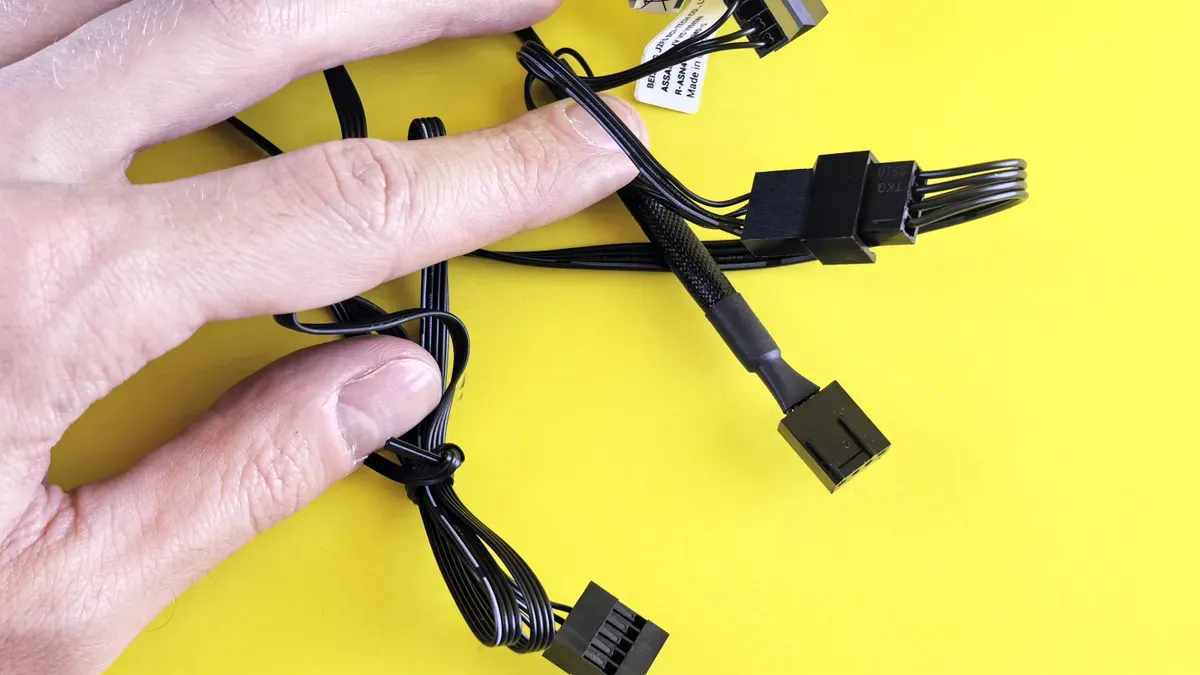
You need a custom quality computer wiring harness to maintain signal integrity, prevent hardware failures, and optimize thermal performance inside compact modern electronics. Standard off-the-shelf cables often cause severe routing complexity and loose connections inside dense chassis. Tailored engineering resolves these physical space limitations cleanly. Partnering with specialized suppliers for Custom Computer Cable Manufacturing provides a tailored design engineered specifically for high-performance computer architectures. Custom cabling routes smoothly through tight enclosures without blocking critical internal airflow. You safeguard mission-critical hardware against unexpected operational downtime. Precision cable assembly ensures superior electrical conductivity, seamless signal transmission, and long-term mechanical durability across all your system builds.
Custom computer wiring harnesses fit small spaces tightly and keep internal hardware cool.
Advanced cable shielding blocks electrical noise and protects high-speed data transmission.
Quality wire harness assembly prevents loose connections and reduces unexpected hardware failures.
Investing in durable custom cables lowers maintenance costs and protects your brand reputation.
High-density electronics enclosures create severe physical layout constraints for modern hardware engineers. Recent industry data shows that packing density of electronics increased by nearly 40% over the last five years in constrained sectors. You must navigate Z-height limitations carefully while routing cables around sensitive components, power sources, and complex antenna arrays. Standard off-the-shelf cables often create unexpected wiring harness problems that disrupt necessary air circulation inside tight chassis. A local temperature rise of just 10°C can reduce the lifespan of nearby critical components by 50%. You solve these thermal bottlenecks by choosing custom quality harnesses tailored specifically for your system geometry.
Flat wire harnesses use layered electrical wires formed into a planar arrangement to reduce height and allow compact routing.
Unsynchronized data between logical netlists and physical 3D routes creates severe bottlenecks during prototyping. Discrepancies between digital models and real prototypes cause up to 20% of product development delays. Inaccurate routing estimates also trigger 15-30% material waste during manufacturing. Exceeding minimum bend radius limits of 4-10x outer diameter induces micro-fractures in internal shielding, leading to electromagnetic compliance failure. Furthermore, precision length calculations remain crucial because an error of just 10mm results in a harness that technicians cannot plug during high-precision manufacturing operations. Early system modeling prevents common wiring harness design mistakes and optimizes physical space inside compact enclosures.
|
Requirement |
Standard Harness |
Custom Harness |
|---|---|---|
|
Non-standard routing geometry |
Not Supported |
Supported |
|
Application-specific connector types |
Not Supported |
Supported |
|
OEM-defined specifications |
Not Supported |
Supported |
Modern high-speed computing requires strict control over electromagnetic interference and crosstalk between adjacent lines. A tailored computer wiring harness utilizes advanced shielding strategies to protect sensitive data transfers in complex electronic assemblies. For example, differential signaling cancels common-mode noise effectively. When high-frequency EMI induces identical interference voltages like 5 mV on both wires, the receiving hardware subtracts the signals and cancels 90–95% of the noise.
Twisted pair configurations directly dictate overall signal performance across long internal runs. Category 6 cabling uses tighter twists of 2–3 per inch to lower near-end crosstalk by 15 dB compared to Category 5e. Varying twist lengths between adjacent pairs, such as using 0.5" versus 0.7", reduces interference by another 8–12 dB. Consistent twist rates maintain 100-ohm impedance within a tight ±5% variance, preventing signal reflections that otherwise waste 10–20% of signal power.
STP wrap provides individual foil shielding for each pair to isolate sensitive data paths.
FTP wrap applies an overall foil shield around the entire bundle to block external EMI.
S/FTP design combines per-pair foil wrapping with an overall braid shield for maximum noise isolation.
Shielded twisted pair construction achieves up to 90% EMI reduction, although it increases production costs by 30% and requires properly grounded hardware connectors. Proper physical separation between power lines and high-speed signal lines using dedicated conduits eliminates common wiring harness problems like ground loops and unwanted crosstalk. Precision wire harness assembly guarantees tight mechanical tolerances, providing secure connections that withstand continuous industrial vibration without intermittent signal dropouts or loose physical connections. Custom cable design ultimately ensures long-term operational quality across demanding compute environments.
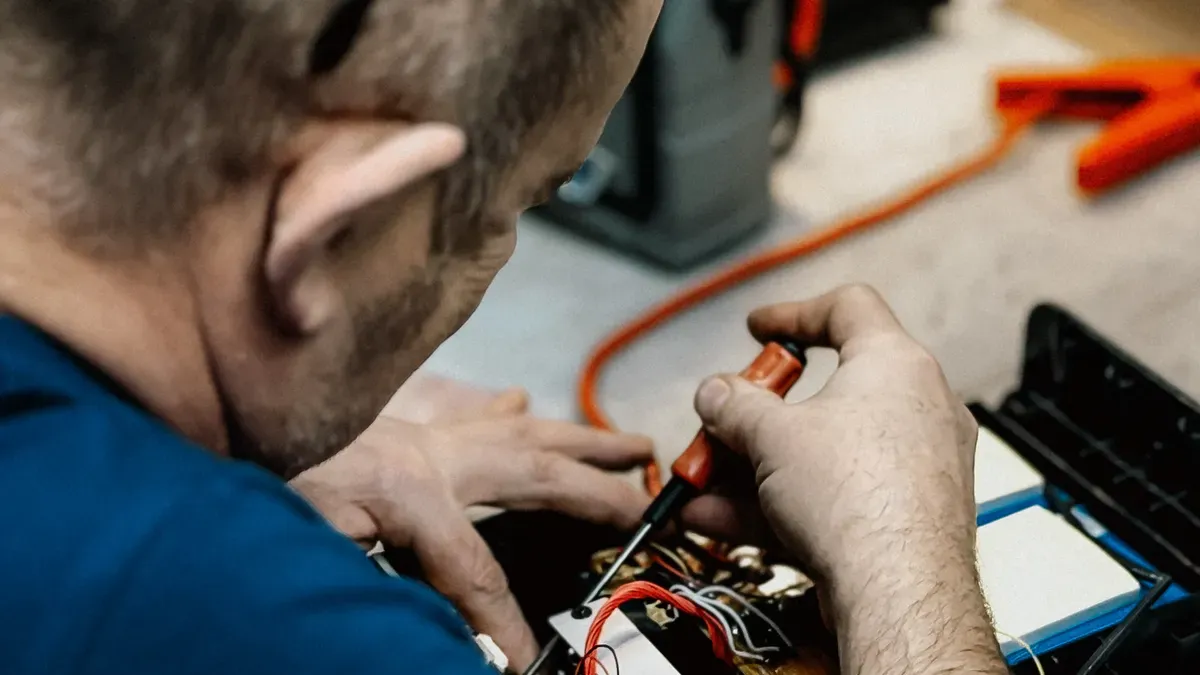
Precision manufacturing during wire harness assembly relies on high quality materials to guarantee superior electrical conductivity and mechanical durability under heavy operational stress. You protect sensitive data lines from severe electromagnetic noise when custom cable designs incorporate specialized shielding barriers. Aluminum foil layers reflect unwanted external electromagnetic energy away from inner conductors. Meanwhile, copper braided mesh safely channels intercepted noise along the outer shield directly to ground connections. This dual protection mechanism prevents signal corruption, eliminates crosstalk, and maintains data clarity across noisy hardware environments.
Advanced wiring harness manufacturing processes strictly follow IPC-620 standards to sustain mechanical strength during thermal stress. Design for manufacturability software optimizes thermal isolation and physical airflow paths inside compact hardware chassis. Specialized 3D modeling tools predict cable layout interference before physical prototyping begins. By keeping wiring harnesses completely clear of high-temperature components and pinch points, you prevent insulation degradation and short circuits. This intentional design maintains physical cable flexibility, isolates critical signal paths, and ensures long-term system stability.
Specialized connector options resolve complex spatial layout challenges inside dense modern electronic enclosures. You prevent loose connections and routing confusion by integrating a 6P6C Custom Wiring Harness directly into your overall computer wiring harness build. Tailored multi-pin connectors fit cleanly into constrained Z-height spaces, eliminating excess cable slack and reducing physical strain on delicate printed circuit board interfaces.
Off-the-shelf commercial connectors frequently detach or lose electrical contact when hardware experiences thermal expansion and continuous mechanical vibration. Professional assembly eliminates these unexpected hardware failures by combining custom strain relief boots with positive locking housings. Precision wire harness assembly maintains consistent contact pressure across every single terminal pin. This dedicated manufacturing process guarantees tight electrical connections, simplifies internal cabling layout, and elevates overall system quality across demanding operating conditions.
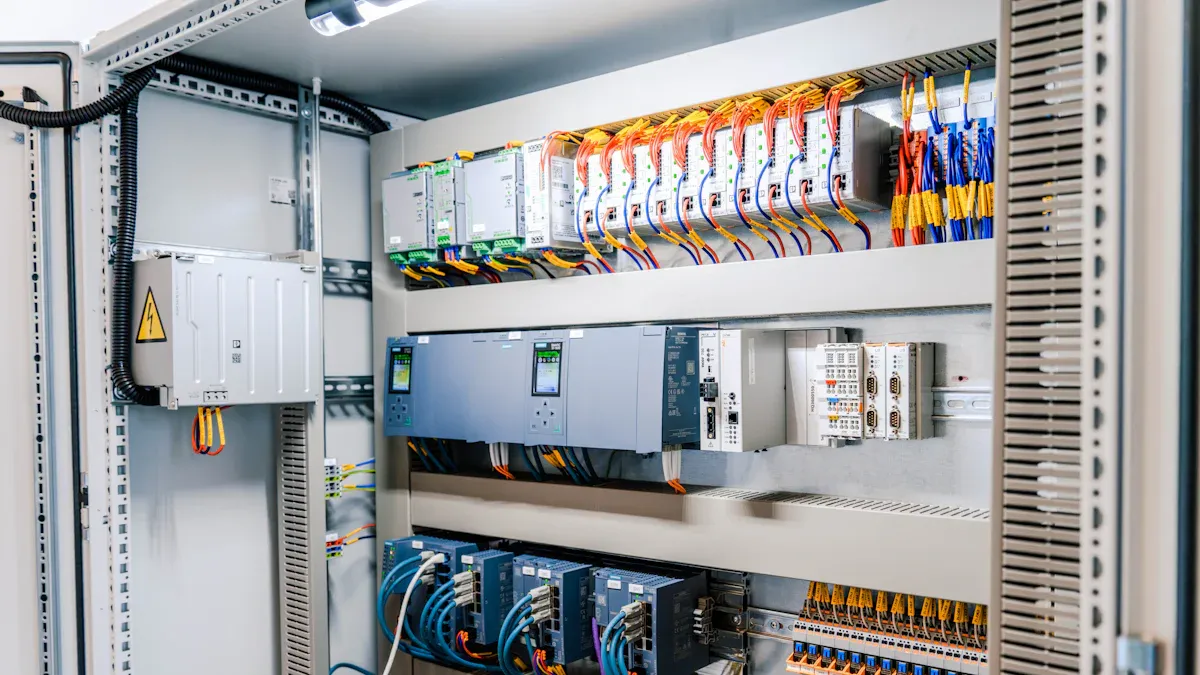
Severe electrical shorts inside compact computing platforms often stem from poor material selection and tight bending radiuses. When technicians force standard cables beyond their minimum bend radius limits, internal wires experience severe physical stress. This mechanical force causes open circuits or unintended contact between conductors. You prevent jacket degradation and cracking by selecting high-temperature materials like silicone or PTFE for environments above 150°C instead of standard PVC. High-grade insulation protects core conductors from high heat, while proper strain relief prevents physical wear. High quality harnesses utilize protective sleeving, wraps, and conduits to shield wire bundles from rough handling and vibration. Preventing wiring harness problems requires robust physical protection across every routing path.
Organized cable management protects sensitive equipment from thermal stress and catastrophic hardware failures:
Structured routing in raceways and raised trays prevents physical abrasion and insulation breakdown.
Proper rack organization allows unrestricted airflow, lowering internal temperatures and protecting cable jackets.
Clear labeling and secure fastenings eliminate accidental disconnections, physical stress, and short circuits.
Professional assembly techniques eliminate wiring harness manufacturing mistakes before units reach production lines. Using custom protective enclosures creates a physical barrier against impact, water, and chemical exposure. These robust measures eliminate common wiring harness problems like ground loops, thermal breakdown, and unexpected short circuits.
Adopting strict manufacturing standards optimizes hardware reliability across every production run. The IPC/WHMA-A-620 standard defines explicit workmanship and acceptability criteria for Class 2 computer products. Adhering to these guidelines minimizes manufacturing defects, eliminates variable build quality, and reduces unexpected operational downtime. Custom cable design integrates quality controlled processes directly into early design stages, catching layout errors before physical assembly starts. Identifying potential wiring harness problems early avoids costly production delays.
IPC-A-620 standardizes acceptance criteria so quality control teams catch defects early. Using measurable visual standards lowers rework rates, minimizes scrap, and prevents unexpected field failures in complex electronics.
Standardized testing isolates insulation faults, bad crimps, and loose connections early on the production floor. Catching a defect on the bench costs 10–100× less than fixing a failed unit after assembly.
|
Assembly Type |
Bad Crimp Defect Rate |
Overall Harness Defect Rate |
|---|---|---|
|
Manual Assembly |
0.5–1.2% |
~0.5–1.2% rejects |
|
Automated/Tested Assembly |
0.03–0.08% |
<<0.1% |
Implementing an enterprise quality improvement program ensures your supplier performs rigorous electrical testing on every computer wiring harness. Automated testing confirms secure connections, validates shielding integrity, and prevents field failure risks. Partnering with experienced wire harness assembly facilities resolves recurring wiring harness problems before shipment. This proactive strategy eliminates field failure downtime, reduces warranty claims, and simplifies long-term hardware maintenance.
You secure substantial long-term benefits when you choose durable, custom wiring harnesses over cheap off-the-shelf cables. High-grade manufacturing reduces physical wear, thermal degradation, and mechanical stress inside dense computing chassis. Superior physical construction protects delicate copper conductors from ambient heat while integrated strain relief prevents internal wire fractures during manual installation and continuous system operation.
Skimping on thorough testing during manufacturing creates severe financial risks for your organization. For instance, with a 2% defect rate, complete 100% testing catches 20 bad harnesses. In contrast, basic sampling misses 6 defective units. Saving $137.50 in upfront testing labor costs can trigger $1,500 in warranty claims at an estimated $250 per field failure. You avoid these costly warranty expenses by demanding rigorous testing protocols for every harness build. Strategic quality investment during early hardware assembly protects your bottom line against expensive field repairs and unit replacements.
Hardware failure directly damages customer satisfaction and harms market perception across competitive computing sectors. Poor cable documentation and flawed wiring assembly cause unexpected downtime inside mission-critical enterprise deployments. Careful cable design eliminates ground loops, signal reflection, and loose connections during heavy daily operation. Selecting precise custom cable parameters ensures high system availability and sustained operational efficiency across long equipment lifecycles.
Reliable internal hardware transforms customer trust into lasting commercial value. The choice between durable and inferior wire harness builds directly determines your overall market reputation:
|
High-Quality Harnesses (Positive Brand Impact) |
Poor-Quality Harnesses (Negative Brand Impact) |
|---|---|
|
Fewer Failures |
Unexpected Downtime |
|
Long-Term Reliability |
Field Failures |
|
Greater Customer Confidence |
Damage to Brand Reputation |
Investing in fully tested, custom-engineered cabling builds strong customer confidence and ensures long-term operational success across complex deployments. Smart design choices guarantee steady system performance, eliminating costly product returns, lowering maintenance overhead, and effectively protecting your brand reputation over time.
Custom computer wiring harnesses represent a vital technological investment for your electronic systems. These tailored cabling solutions guarantee steady operational reliability, superior thermal management, and long-term signal fidelity across high-density hardware layouts. Upfront capital spent on custom quality harnesses significantly lowers long-term maintenance overhead. You eliminate frequent field failures and prevent expensive device replacement costs over long equipment lifecycles. Advanced manufacturing techniques remove common installation errors and protect sensitive internal components from unexpected thermal damage. Engineering and procurement teams must optimize system performance during early hardware development stages. Partner with an established manufacturing partner today to secure top-tier computer wiring harness solutions for your modern electronics builds.
Custom designs fit your exact chassis dimensions cleanly. They eliminate excess cable length and prevent tight bends. This targeted approach solves severe wiring harness problems like blocked internal airflow, pinched insulation, and accidental short circuits inside compact electronic enclosures.
Unshielded conductors and poor twist ratios cause common wiring harness problems like signal crosstalk and electromagnetic interference. Tailored shielding wraps block external electrical noise. Controlled wire twist rates maintain stable impedance to protect sensitive high-frequency data signals across complex system layouts.
Custom strain relief boots secure cables tightly at connector interfaces. They absorb continuous mechanical vibration and thermal expansion. By reducing physical stress on terminal pins, you prevent loose physical connections and avoid recurring wiring harness problems in demanding computing environments.
Manufacturers test each assembly against IPC-620 standards. Automated electrical testing catches bad crimps, poor grounding, and insulation faults before installation. These rigorous checks guarantee superior mechanical durability, lower field failure rates, and protect your overall system investment.
Email : grace@smartwireconnect.com
Tel : +8613554925749
Whatsapp : +8613554925749
2-3 Floor, No. 45, Minfu Road, Shatou Industrial Zone, Shajing Street, Bao'an District, Shenzhen, Guangdong, China


©2026 Shenzhen Smart Connection Technology Co., Ltd. All Rights Reserved.
 IPv6 network supported